What is gout?

Contents
Gout is the most common inflammatory arthritis in adults. Its flares are among the most severe joint pain there is, but the good news is that gout can be reliably kept under control. Let us look at where it comes from, what to do during a flare and how to stop flares from coming back.
1. What gout is
Uric acid (urate) is the end product of the breakdown of purines — substances found in the body’s cells and in food. When there is too much of it in the blood, it stops dissolving and forms microscopic needle-shaped crystals. The threshold above which crystals can form is about 405 µmol/L (6.8 mg/dL).
The crystals are deposited in and around the joints, and the body reacts to them with strong inflammation — that is a gout flare.
High uric acid does not yet mean gout. Most people with high uric acid never develop gout. It appears when crystals form and inflammation starts.
Gout affects from 1% to almost 7% of people in different countries, more often men. In women it is rare before the menopause.
2. What causes it
The main cause is uric acid that stays high for a long time. It is raised by:
- genetics — more than 180 genes affecting uric acid have been found; genetics influences it more than diet does;
- excess weight, metabolic syndrome, high blood pressure, high cholesterol;
- kidney disease — the kidneys remove uric acid less well;
- diet — red meat, seafood, alcohol (especially beer and spirits), sugary fizzy drinks and juices with fructose;
- some medicines — diuretics, low-dose aspirin, ciclosporin, tacrolimus and some blood pressure drugs.
If you take any of these medicines, do not stop them on your own — discuss it with your doctor.
3. What gout feels like
A flare starts suddenly, often at night: the joint quickly swells, turns red, becomes hot and very painful — even the touch of a blanket can be hard to bear. The pain peaks within the first day, and without treatment the flare settles in 1–2 weeks.
Which joints are affected. Most often the joint at the base of the big toe. Also the joints of the foot, the ankle and the knee. If the joints of the hands or several joints at once are affected, it is usually a sign of long-standing gout without proper treatment.
Tophi are firm, painless lumps under the skin made of crystal deposits: on the ears, elbows, fingers and near the Achilles tendon. Without treatment they usually appear about 10 years after the first flare.
Complications. Kidney stones (in about 15% of patients) and chronic kidney disease. Gout is closely linked with high blood pressure, obesity, diabetes and heart and blood vessel disease.
4. How it is diagnosed
- Joint fluid analysis is the most accurate method. If needle-shaped urate crystals are seen under a polarising microscope, the diagnosis is confirmed.
- A blood test for uric acid helps, but during a flare it may be normal: part of it goes into the crystals. So a normal result does not rule out gout — the test is repeated about 2 weeks after the flare.
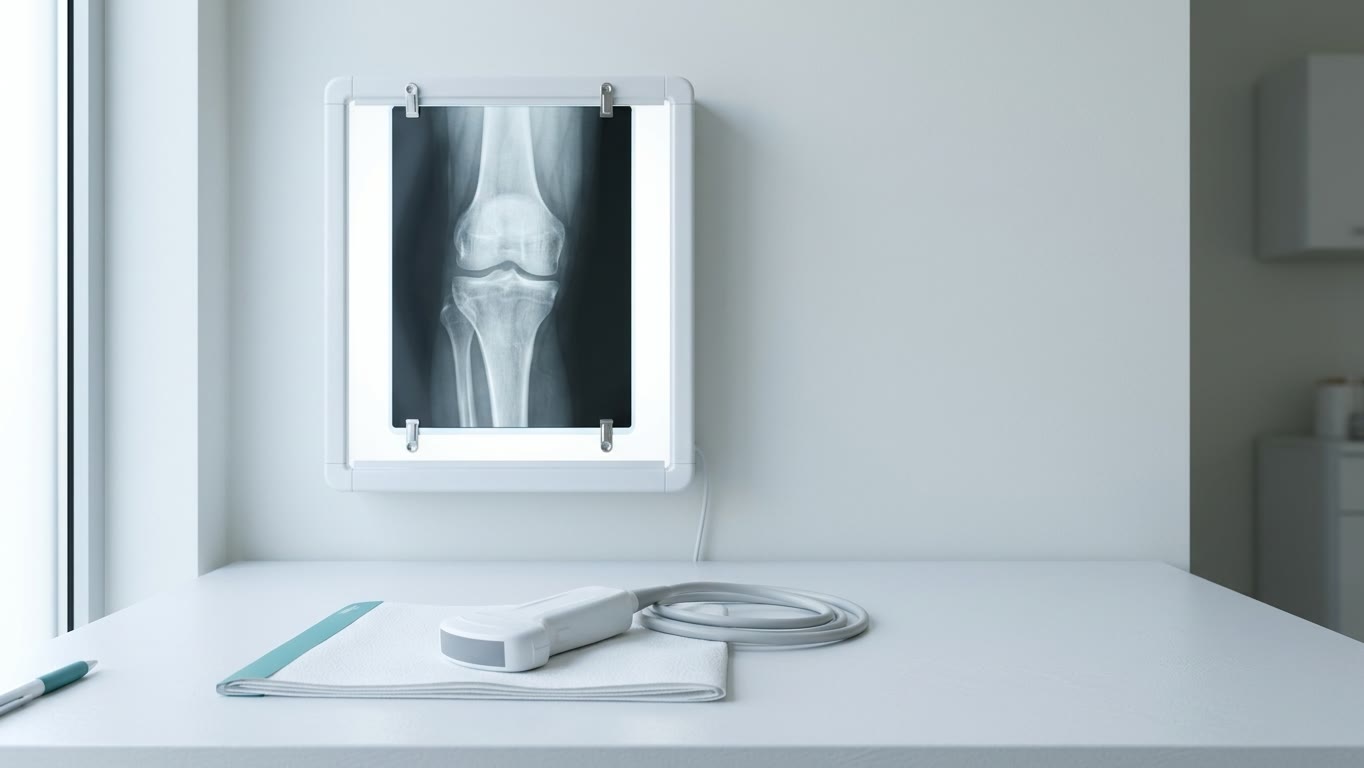
- Ultrasound and dual-energy CT can show crystal deposits without a needle.
A suddenly red, hot, painful joint may be not only gout but also an infection. Especially if you have a fever, see a doctor immediately.
5. What to do during a flare
The earlier a flare is treated, the better the treatment works. The doctor chooses one of the medicines: low-dose colchicine, a non-steroidal anti-inflammatory drug or a glucocorticoid (tablets or an injection into the joint). The choice depends on other conditions: for example, with kidney disease, a stomach ulcer or heart disease some of these medicines cannot be used.
While you wait for your appointment:
- rest the joint and keep the leg raised;
- apply cold;
- protect the joint from pressure and knocks;
- drink enough water;
- if you already take a medicine that lowers uric acid, do not stop it — stopping it can make the flare worse.
For patients with a confirmed diagnosis, the doctor may give an action plan in advance: which medicine to take at the first signs of a flare.
6. Treatment that prevents flares
Medicines that lower uric acid are the basis of gout treatment. When uric acid stays below the solubility threshold, the crystals gradually dissolve, and flares, tophi and joint damage stop.
When this treatment is needed:
- 2 or more flares a year;
- tophi;
- joint changes caused by gout on an X-ray.
After a first flare it is discussed if you have kidney disease, very high uric acid or kidney stones, or if gout started at a young age.
The goal is uric acid below 360 µmol/L (6 mg/dL), and with tophi or severe gout below 300 µmol/L (5 mg/dL).
- The first-choice medicine is allopurinol, including for people with kidney disease. It is started at a low dose and increased gradually until the goal is reached. The alternative is febuxostat.
- In the first months of treatment the crystals start to dissolve, and this can trigger flares. So for 3–6 months low-dose colchicine or an anti-inflammatory drug is taken alongside it.
- Treatment can be started even during a flare.
- Once the goal is reached, uric acid is checked every 6–12 months.
Only a doctor chooses the doses and the regimen.
7. Diet and lifestyle
Lifestyle helps, but it lowers uric acid only moderately — most patients cannot reach the goal with diet alone.
What helps:
- losing weight if you are overweight;
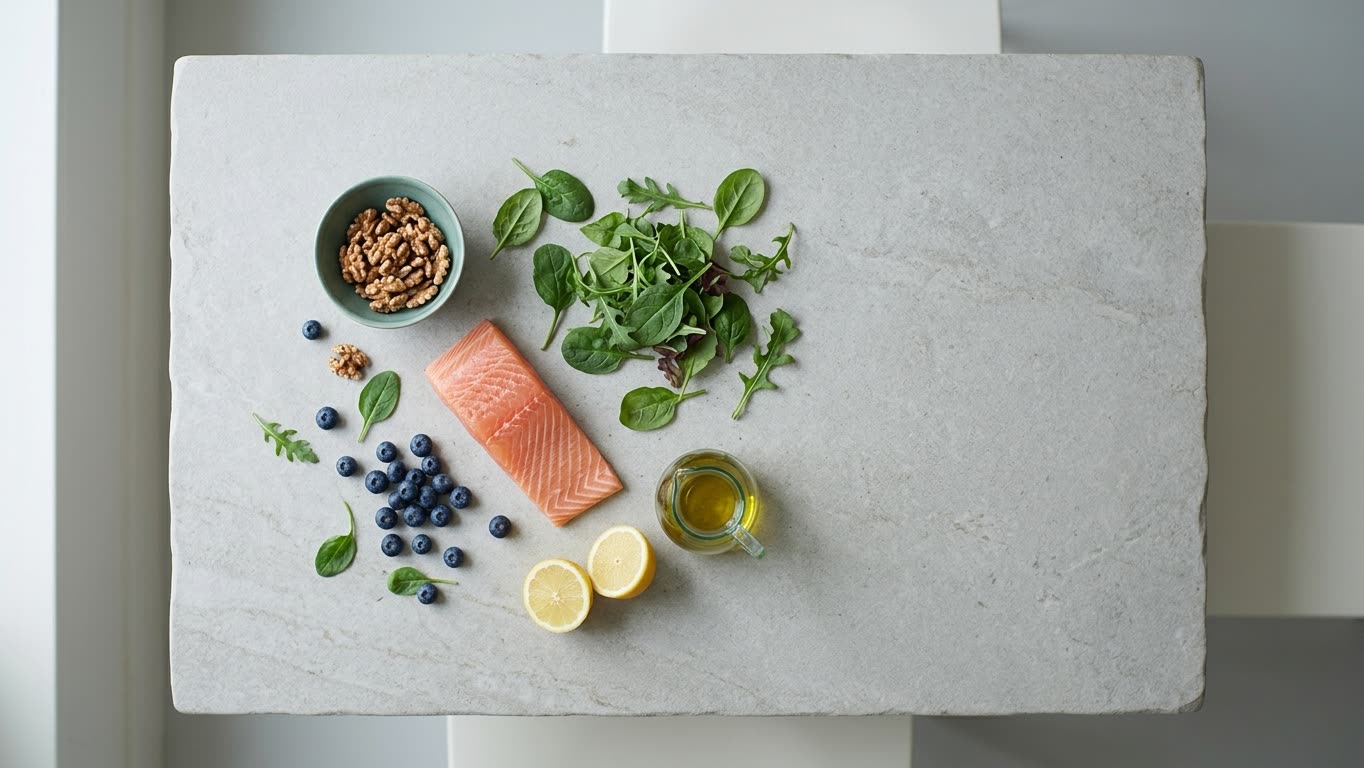
- a Mediterranean-style or DASH diet;
- low-fat dairy, coffee, vegetables;
- cutting down on beer and spirits, red meat, seafood, sugary drinks and juices with fructose.
Cherries. There is evidence that people who eat cherries have fewer flares, but it is limited, and guidelines do not consider cherries a treatment on their own.
Once medicines keep uric acid at the target level, a strict diet is usually no longer needed.
8. Is treatment lifelong?
Not every patient with gout needs medicines all the time: after a single flare you may manage without them. But once a uric-acid-lowering medicine has been prescribed, it is taken long term, usually permanently. When it is stopped, uric acid rises again, crystals form again and flares return.
If you think you have gout, or you have had a flare, see a rheumatologist. Early diagnosis and treatment change the course of the disease.
Disclaimer: This article is for information only and does not replace an examination by a doctor.
Sources
- FitzGerald JD et al. 2020 American College of Rheumatology Guideline for the Management of Gout. Arthritis & Rheumatology, 2020.
- Dalbeth N, Gosling AL, Gaffo A, Abhishek A. Gout. Lancet, 2021.
- Dalbeth N et al. Gout. Nature Reviews Disease Primers, 2019.
- Mikuls TR. Gout. New England Journal of Medicine, 2022.
- Dalbeth N, Merriman TR, Stamp LK. Gout. Lancet, 2016.
- Chi X et al. Effects of Dietary Factors on Hyperuricaemia and Gout: A Systematic Review and Meta-Analysis of Observational Studies. International Journal of Food Sciences and Nutrition, 2024.
- Topless RKG et al. The comparative effect of exposure to various risk factors on the risk of hyperuricaemia: diet has a weak causal effect. Arthritis Research & Therapy, 2021.
Recognise your symptoms?
An article does not replace an in-person consultation. Get in touch to book an appointment — we will go through your situation in person. Consultations are held in Russian.
Get in touch to book